Discover Aboriginal Art & Culture

Australia's Living Heritage Through Ancient Symbols

Journey through 60,000 years of continuous culture, from ancient rock art to contemporary expressions. Experience the profound wisdom and spiritual connection to land expressed through Aboriginal art.

About Aboriginal Art

Aboriginal art is one of the oldest artistic traditions in the world, dating back at least 40,000 years. This rich artistic heritage encompasses rock art, bark painting, wood carving, sculpture, ceremonial clothing, and contemporary media. Each artwork tells a story, connecting to the spiritual concept of "Dreamtime" or "The Dreaming" - the period in which Aboriginal people believe the world was created. Through intricate symbols, patterns, and earthy colors, artists convey complex narratives about their ancestral lands, creation stories, and cultural laws.

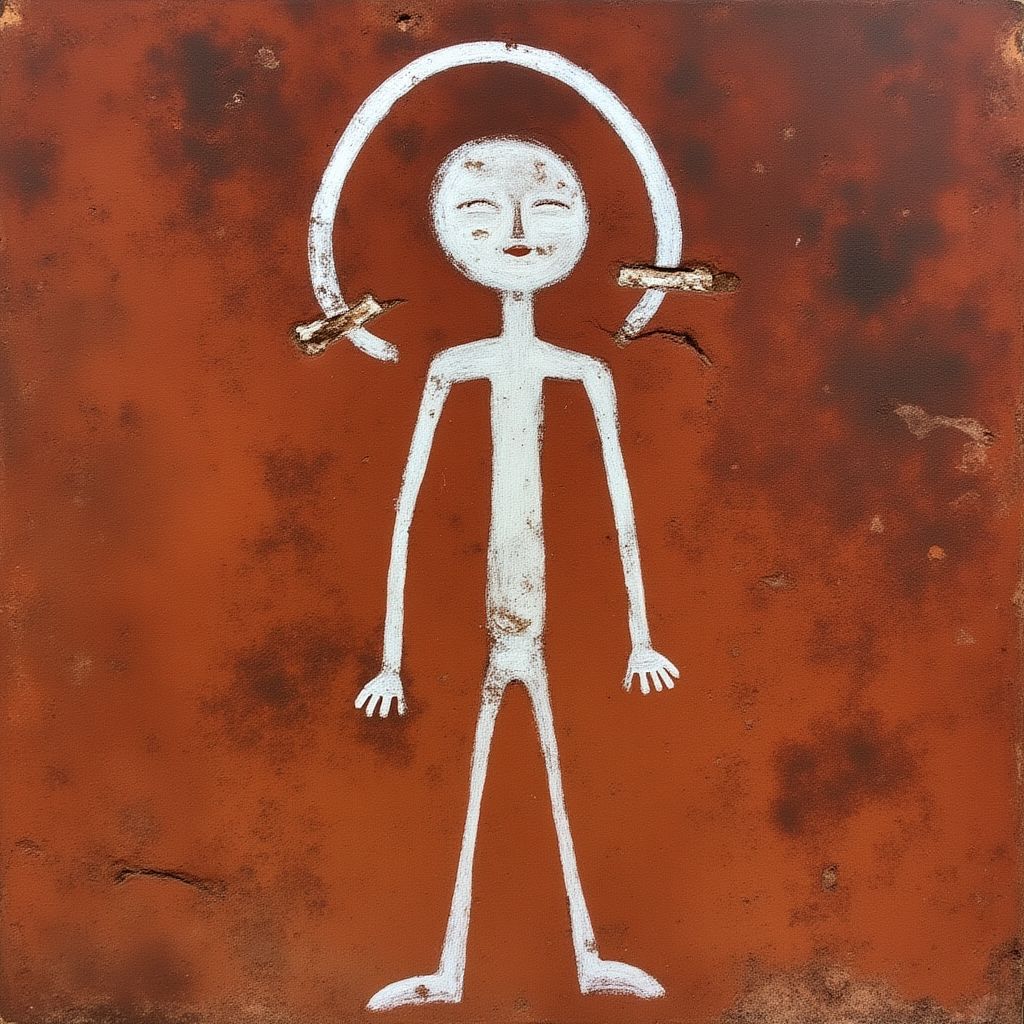
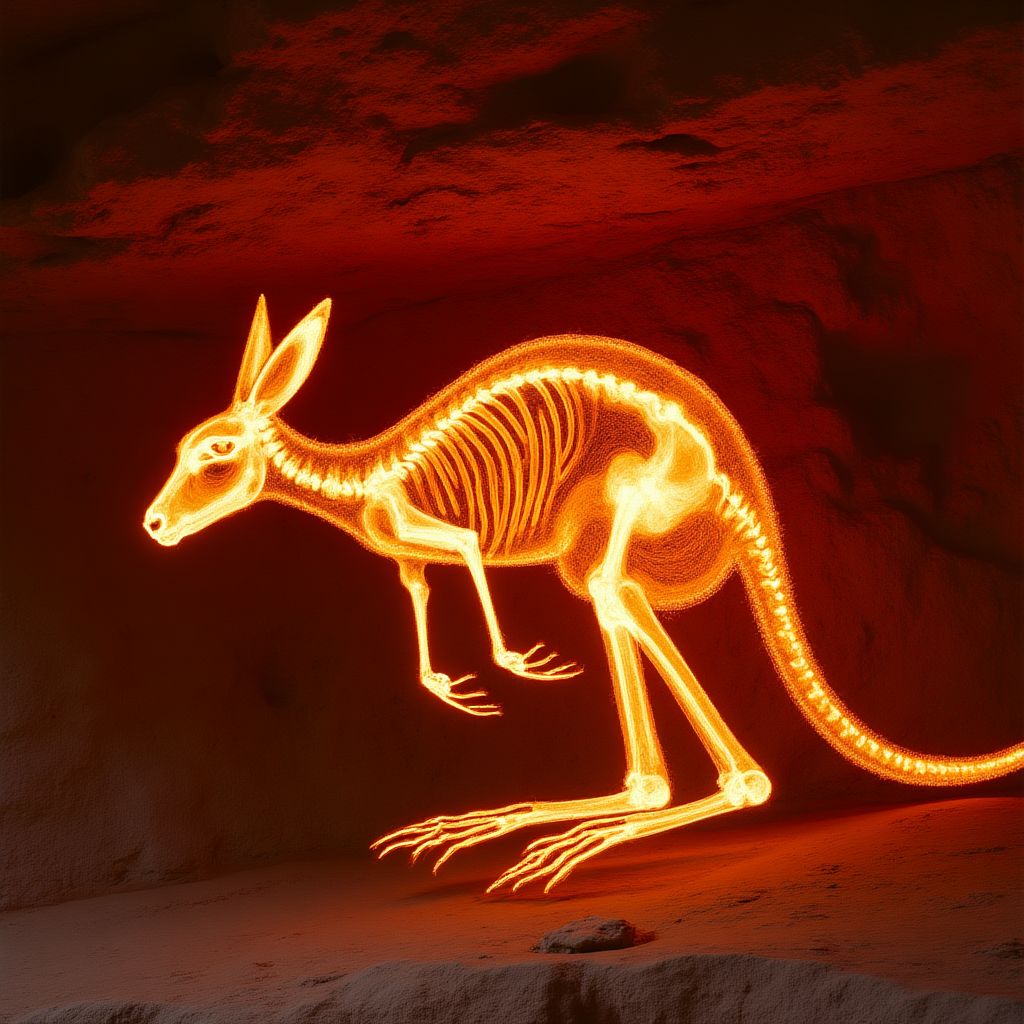
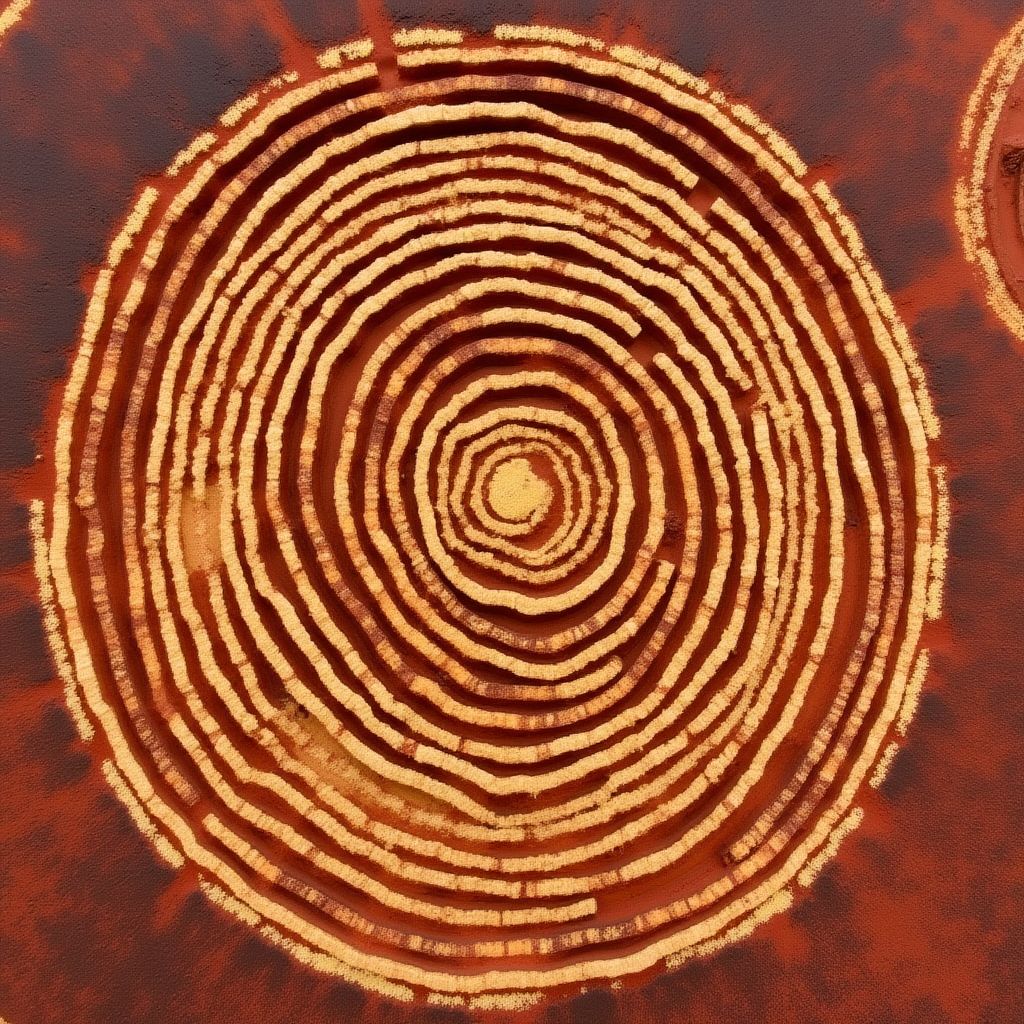
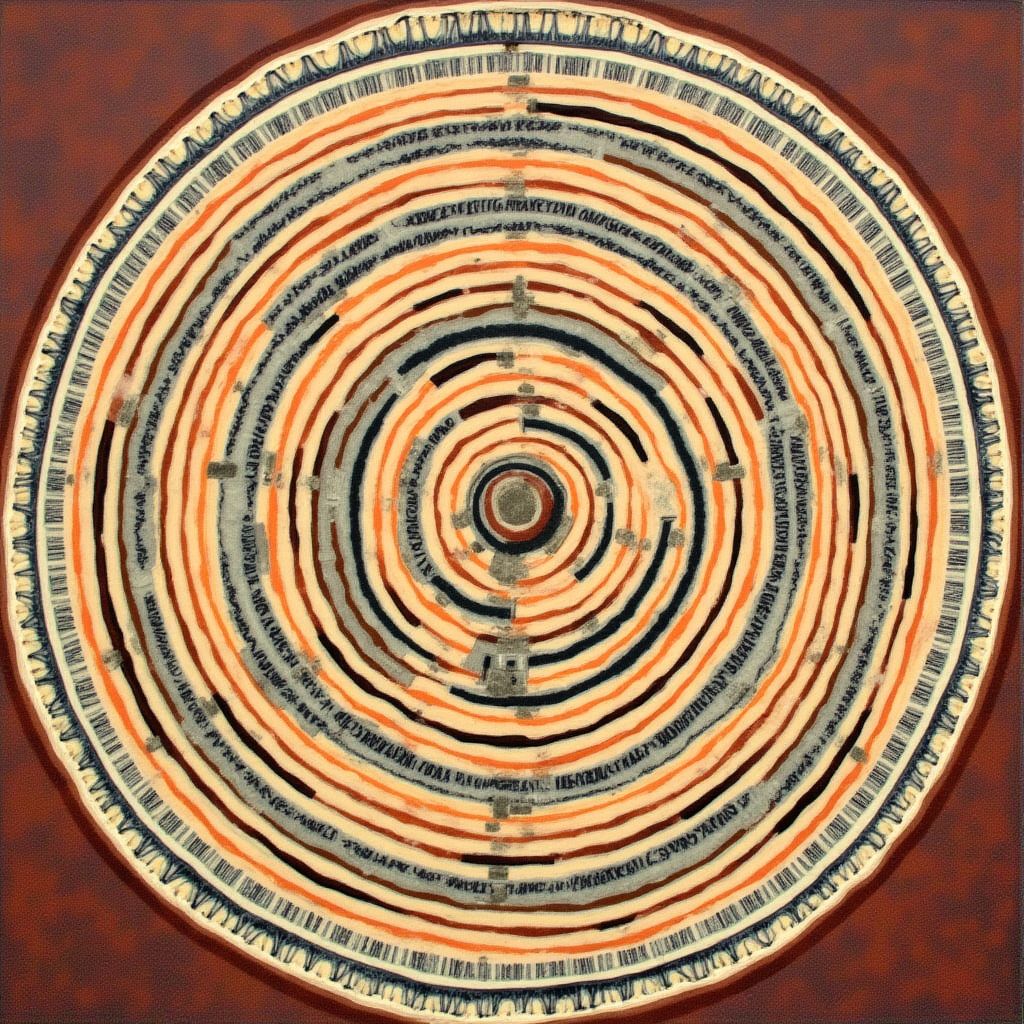
Ancient Aboriginal rock art symbols

Rock Art

Australia contains one of the world's largest collections of rock art, with some sites dating back 40,000 years. These ancient galleries feature handprints, animal figures, and Dreamtime beings, preserved in caves and rock shelters across the continent. The Kimberley and Arnhem Land regions house particularly significant collections that continue to inform cultural knowledge today.

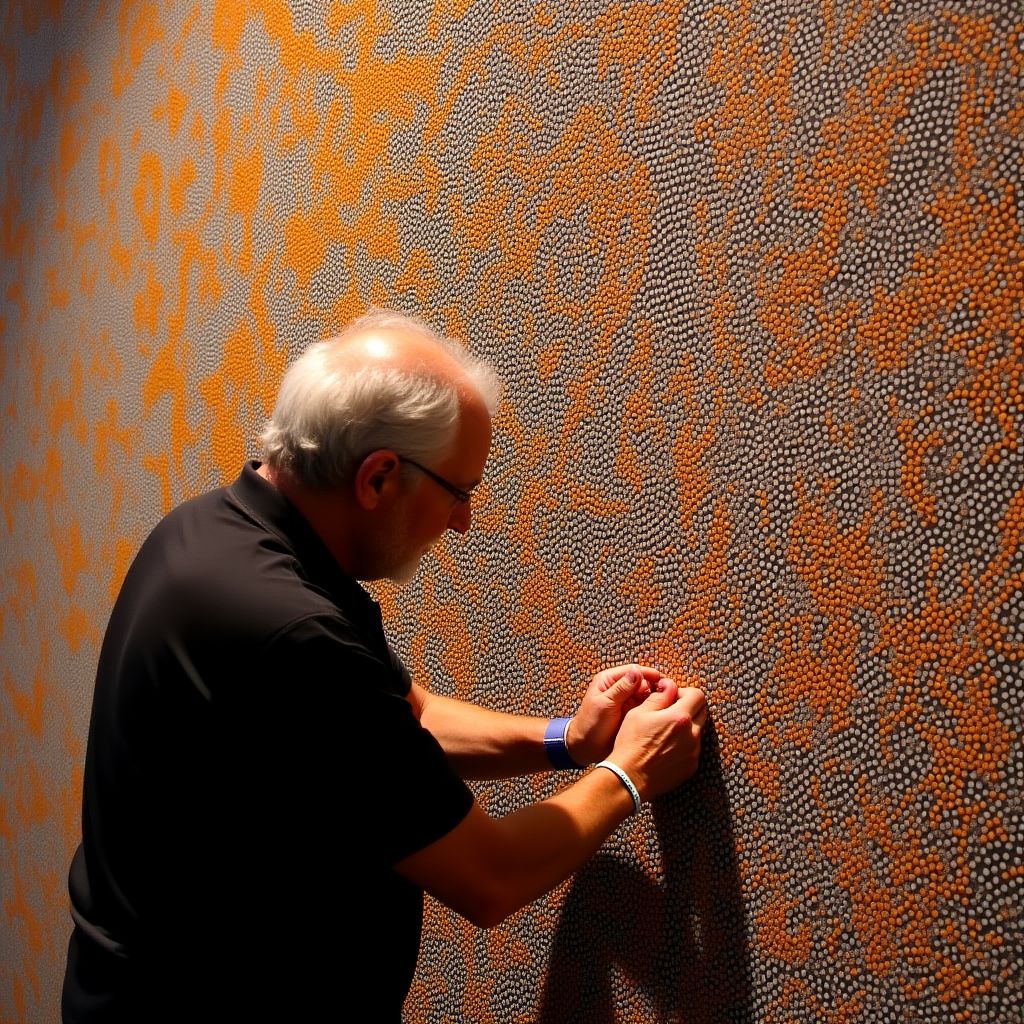
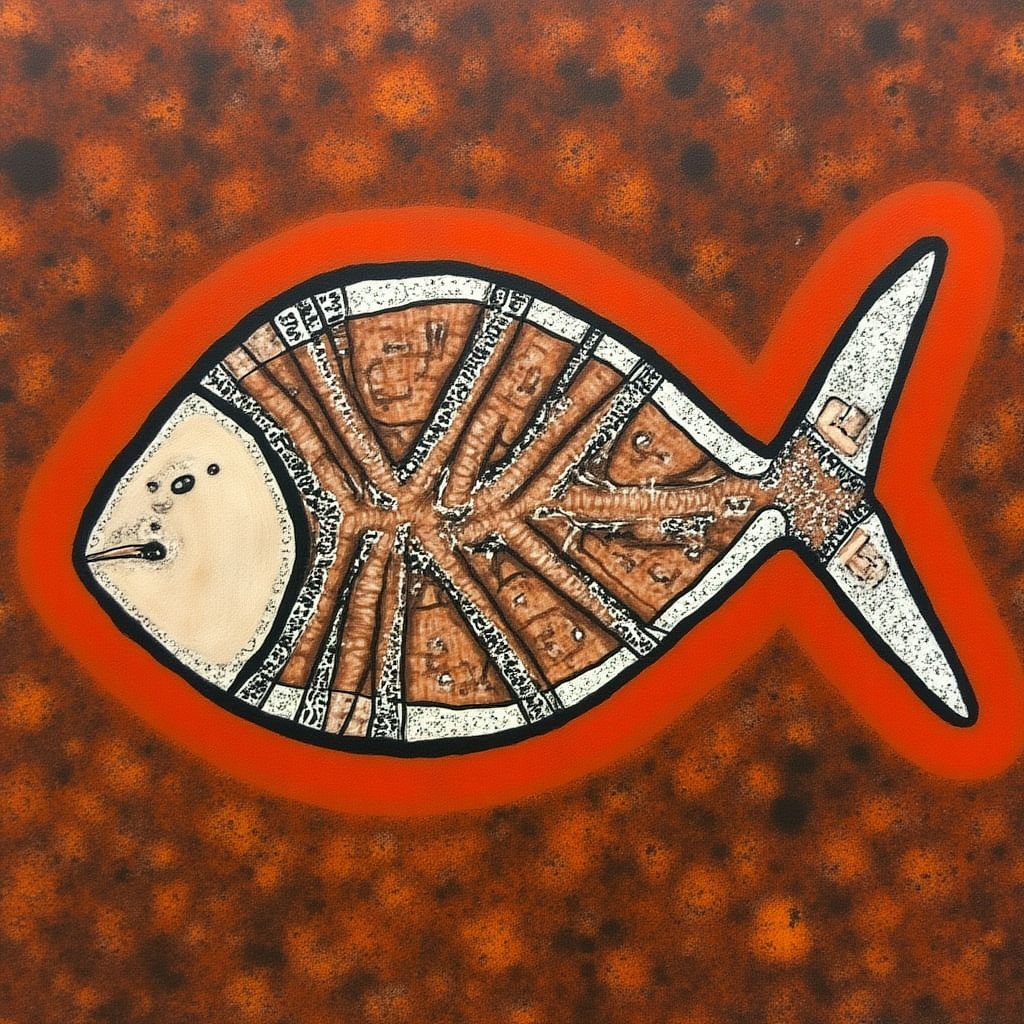
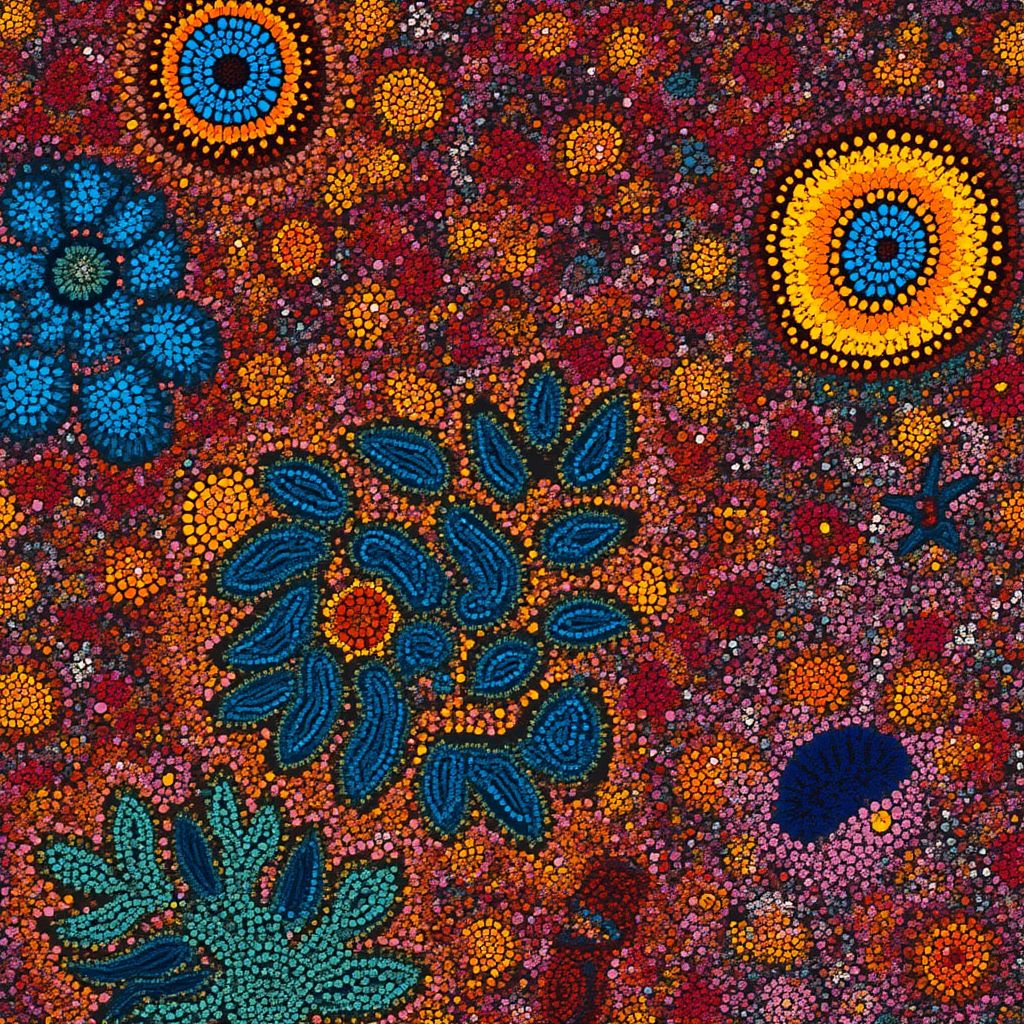
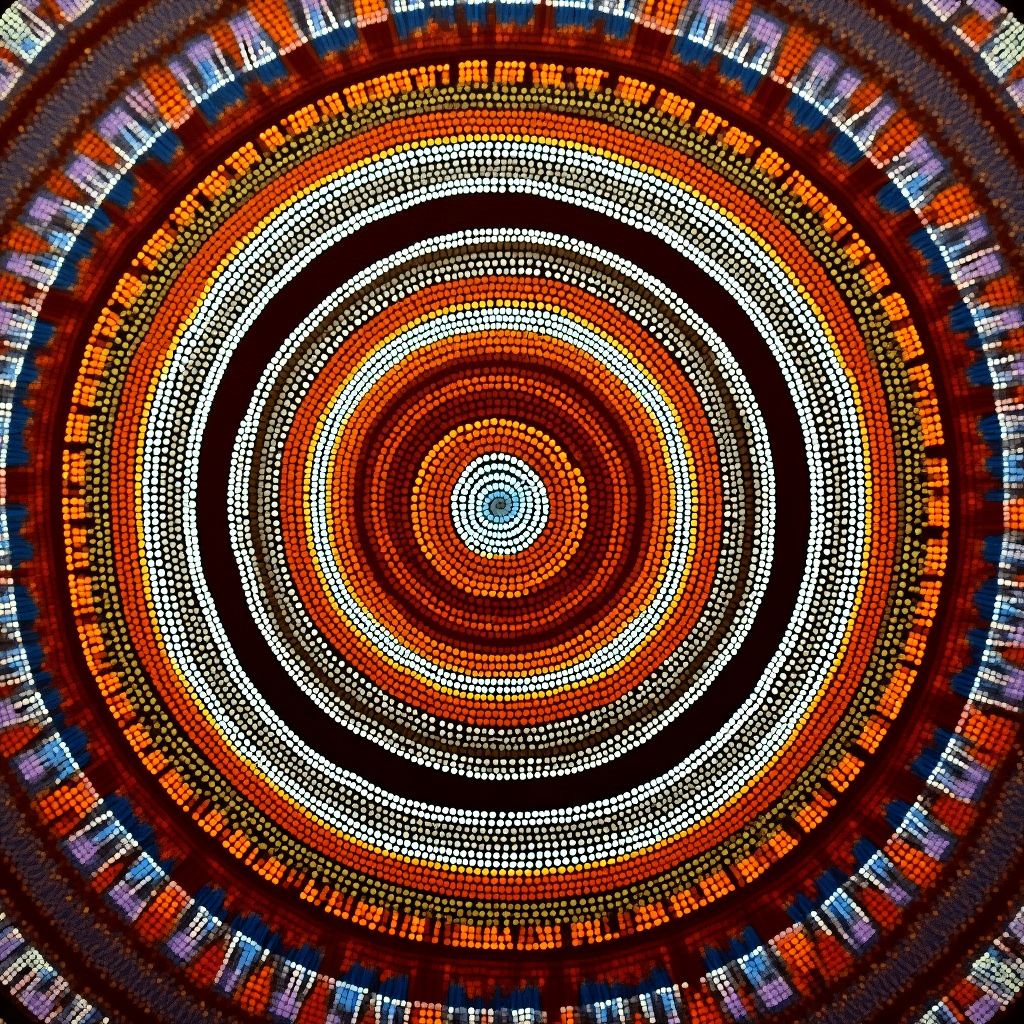
Contemporary dot painting by Aboriginal artist

Dot Painting

Emerging in the 1970s, dot painting has become internationally recognized as a distinctive Aboriginal art form. Artists use dotting techniques to create intricate patterns that represent landscapes, ceremonies, and ancestral stories. These works often feature aerial perspectives of Country, with symbols that have been passed down through generations as visual language.

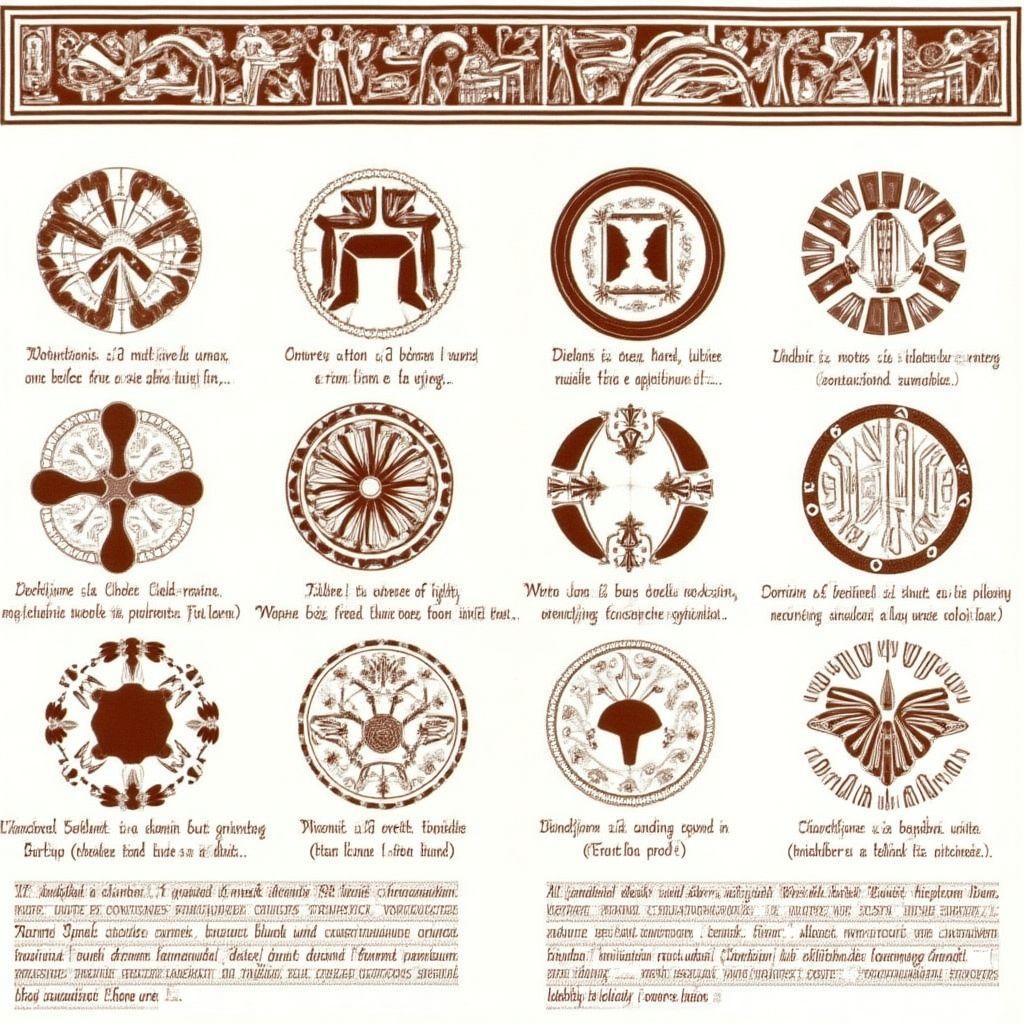
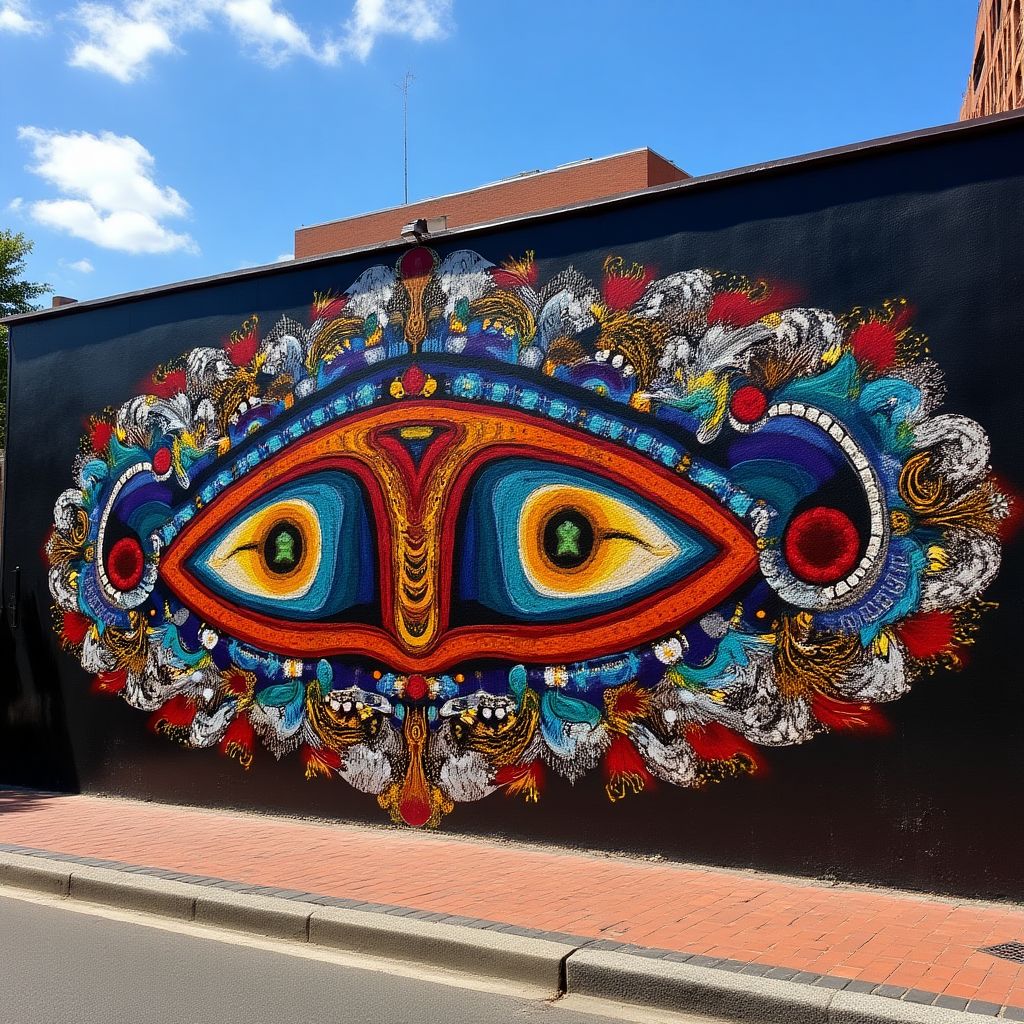
Chart of common Aboriginal symbols and their meanings

Symbolism

Aboriginal art is rich with symbolic meaning. Concentric circles often represent waterholes or meeting places, wavy lines may indicate water or journey paths, and U-shapes typically symbolize people sitting. These symbols form a complex visual language that allows stories to be recorded and communicated across generations, preserving cultural knowledge and connection to Country.

Understanding Aboriginal Art

The Cultural Context

Aboriginal art is deeply intertwined with culture, spirituality, and connection to Country. For Aboriginal peoples, art is not just decorative but functional and ceremonial, serving as a means to record and transmit knowledge. Each piece of art is connected to specific areas of land, ancestral beings, and Dreaming stories that form the foundation of Aboriginal law and culture. Understanding Aboriginal art requires acknowledging its role as a living cultural practice that continues to evolve while maintaining deep connections to tradition.

Ethical Appreciation

When exploring Aboriginal art, it's important to approach it with respect for its cultural significance. Authentic Aboriginal art supports Indigenous communities and artists, helping to preserve cultural practices and providing economic opportunities. We encourage visitors to learn about the artists, their communities, and the stories behind the artworks. Ethical appreciation means recognizing Aboriginal art's cultural copyright and respecting the protocols around certain sacred or restricted imagery.
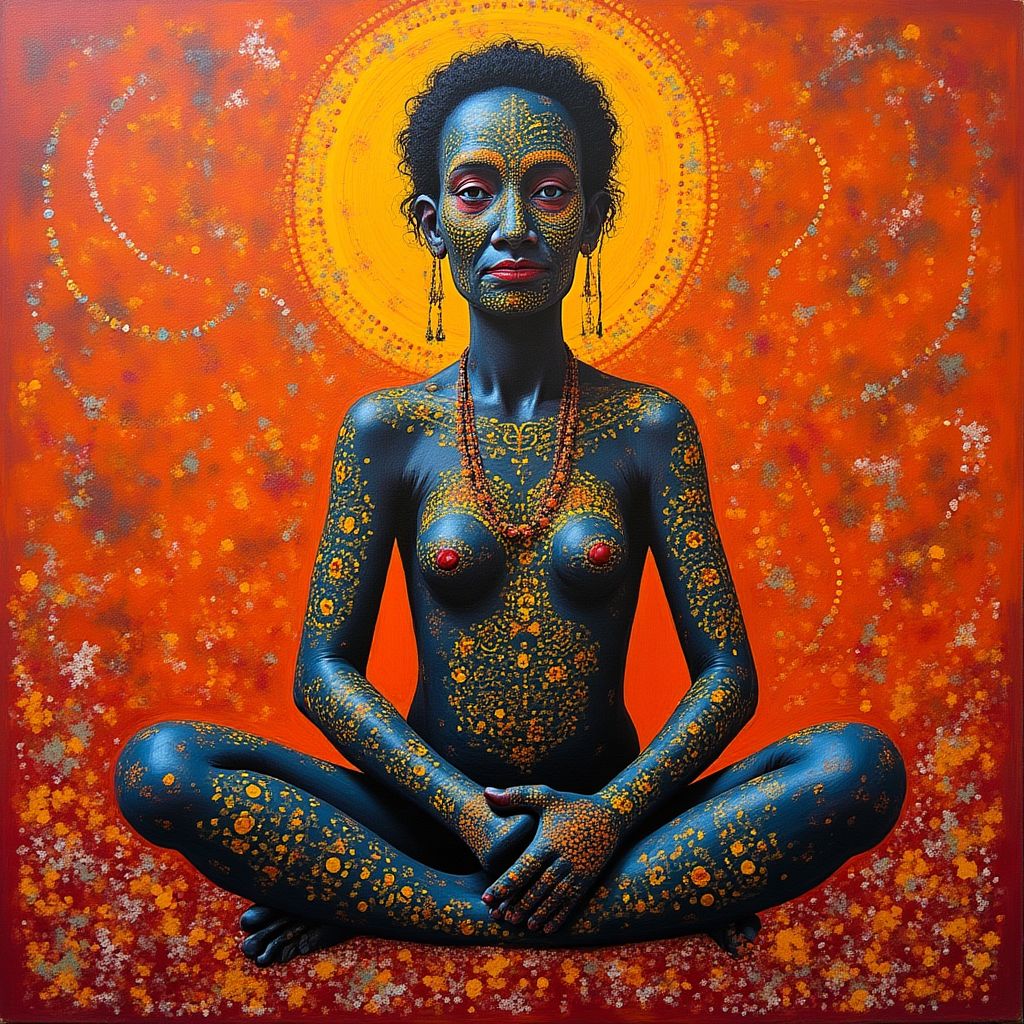
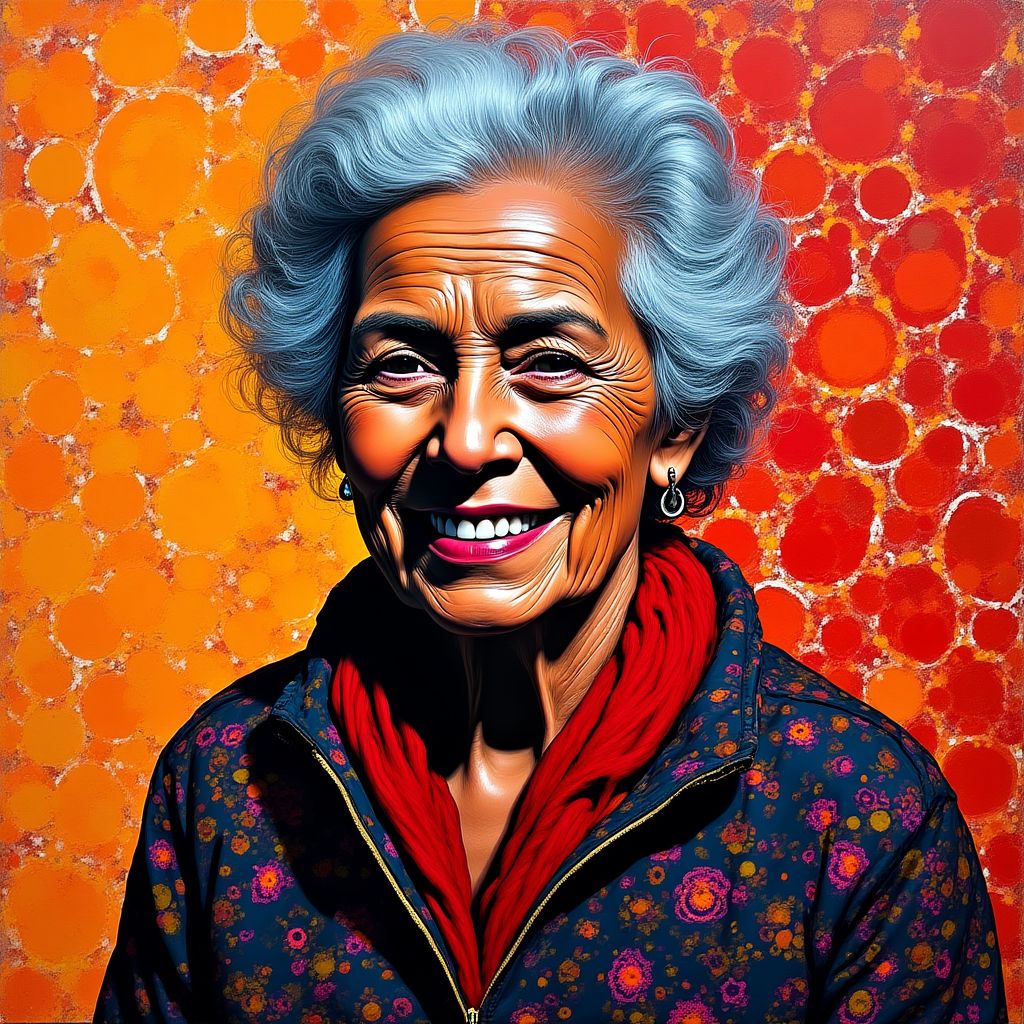
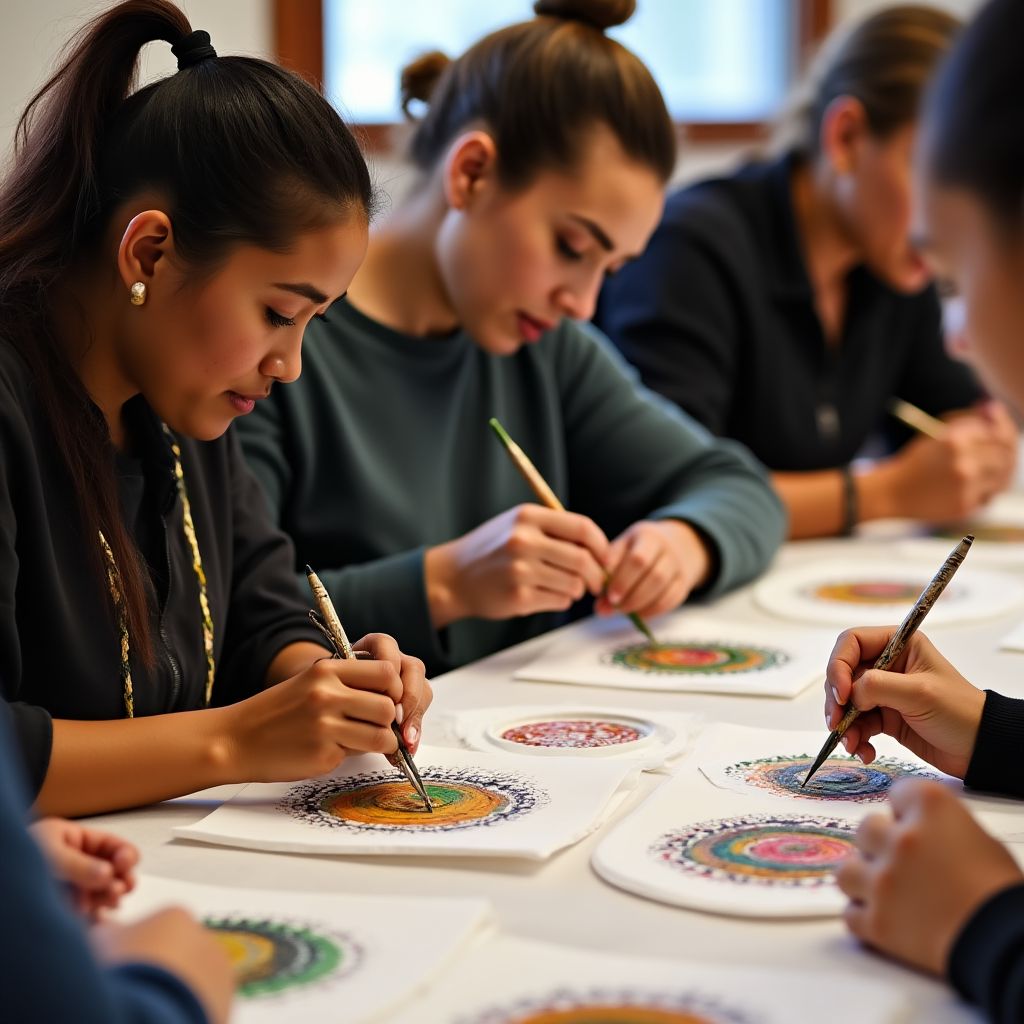
Aboriginal artist demonstrating traditional painting techniques
1

Traditional Materials

2

Cultural Permissions

3

Storytelling Elements

4

Knowledge Transfer

Featured Artists

Meet the contemporary Aboriginal artists continuing ancient traditions

Emily Kame Kngwarreye, renowned Aboriginal artist

Emily Kame Kngwarreye

Anmatyerre artist, Central Australia

Emily Kame Kngwarreye (c. 1910-1996) began painting on canvas in her late 70s yet produced over 3,000 paintings in her eight-year career. Her work is celebrated internationally for its innovative style that transforms traditional desert iconography into contemporary abstract expressions. Her paintings often represent her cultural responsibilities and connection to Alhalkere Country, with many depicting the yam plant, an important food source and Dreaming story.

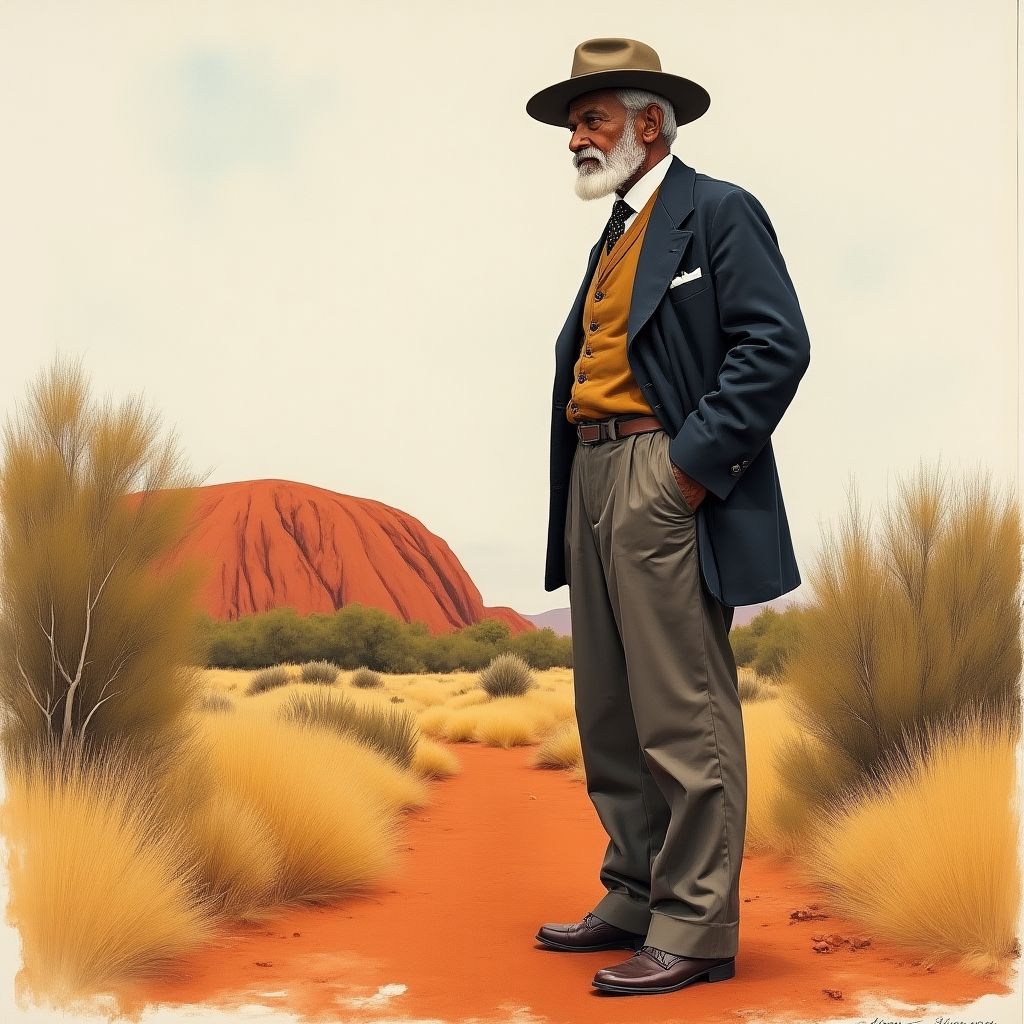
Albert Namatjira, pioneering Aboriginal landscape artist

Albert Namatjira

Western Arrernte watercolorist

Albert Namatjira (1902-1959) pioneered contemporary Aboriginal art through his distinctive watercolor landscapes of Central Australia. Breaking from traditional Aboriginal art forms, Namatjira adapted Western techniques to capture the spiritual essence of his ancestral lands. His work created a bridge between Aboriginal and Western art traditions while maintaining a deep connection to Country. His legacy continues through the Hermannsburg School style of landscape painting.

Clifford Possum Tjapaltjarri, master of dot painting

Clifford Possum Tjapaltjarri

Anmatyerre artist, Western Desert

Clifford Possum Tjapaltjarri (c. 1932-2002) was a pioneer of the Western Desert art movement and one of Australia's most collected Aboriginal artists. Known for his intricate dot paintings and innovative "map" compositions that layered multiple Dreaming stories, he created complex works that documented his ancestral lands and cultural knowledge. His masterpiece "Warlugulong" (1977) sold for a record $2.4 million in 2007, highlighting the cultural and artistic significance of his work.

Learning Resources

Expand your knowledge of Aboriginal art and culture

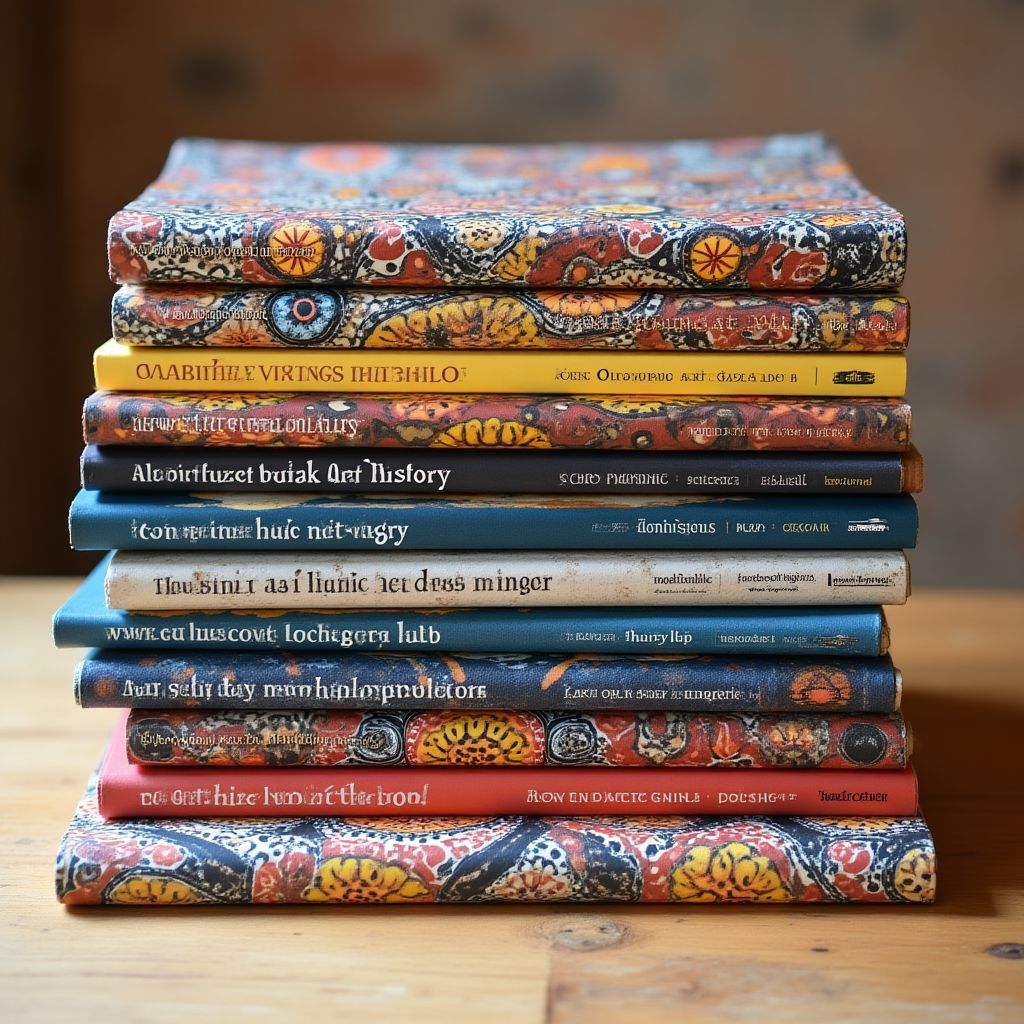
Collection of books about Aboriginal art

Recommended Reading

  • Aboriginal Art by Wally Caruana
  • Papunya: A Place Made After the Story by Geoffrey Bardon
  • Traditional Aboriginal Art by Jennifer Isaacs
  • Songlines: The Power and Promise by Margo Neale & Lynne Kelly
  • The Art of Aboriginal Australia by Susan McCulloch
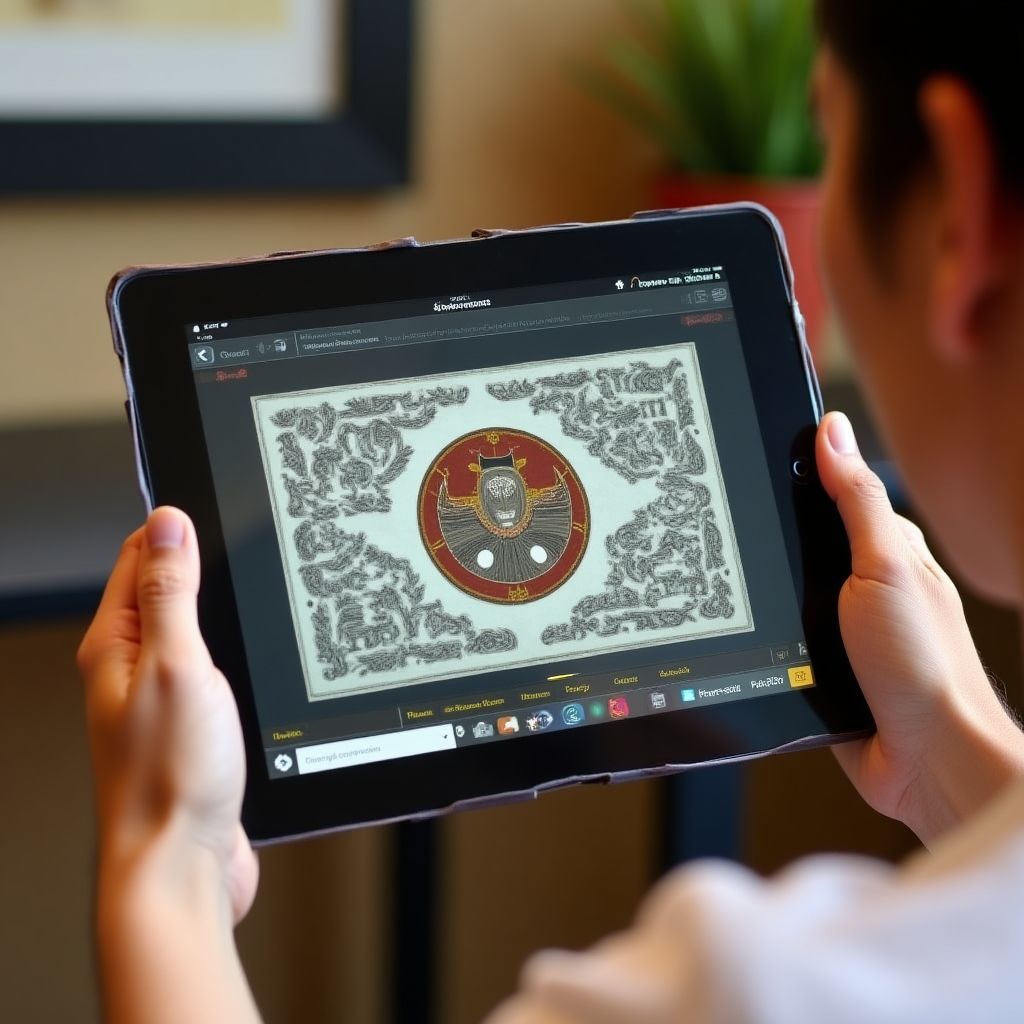
Digital platforms for learning about Aboriginal culture

Online Learning

Expand your understanding through these digital resources:

  • National Museum of Australia's Indigenous education portal
  • Aboriginal Art & Culture Academy virtual courses
  • AIATSIS (Australian Institute of Aboriginal and Torres Strait Islander Studies) digital archives
  • Art Gallery of New South Wales Indigenous collection online
  • Indigenous Art Code ethical purchasing guidelines
Guide to Aboriginal art symbols and meanings

Symbol Guide

Learn to read the visual language of Aboriginal art:

  • Concentric Circles: Waterholes, meeting places, campsites
  • U Shapes: People sitting
  • Wavy Lines: Water, journey paths
  • Dotted Lines: Tracks, routes of travel
  • Handprints: Identity, signature, connection to place
  • Animal Tracks: Food sources, Dreamtime ancestors

Indigenous Art Connections

Explore these authoritative resources to deepen your understanding

Cultural Preservation Efforts

Documenting and preserving Aboriginal artistic traditions

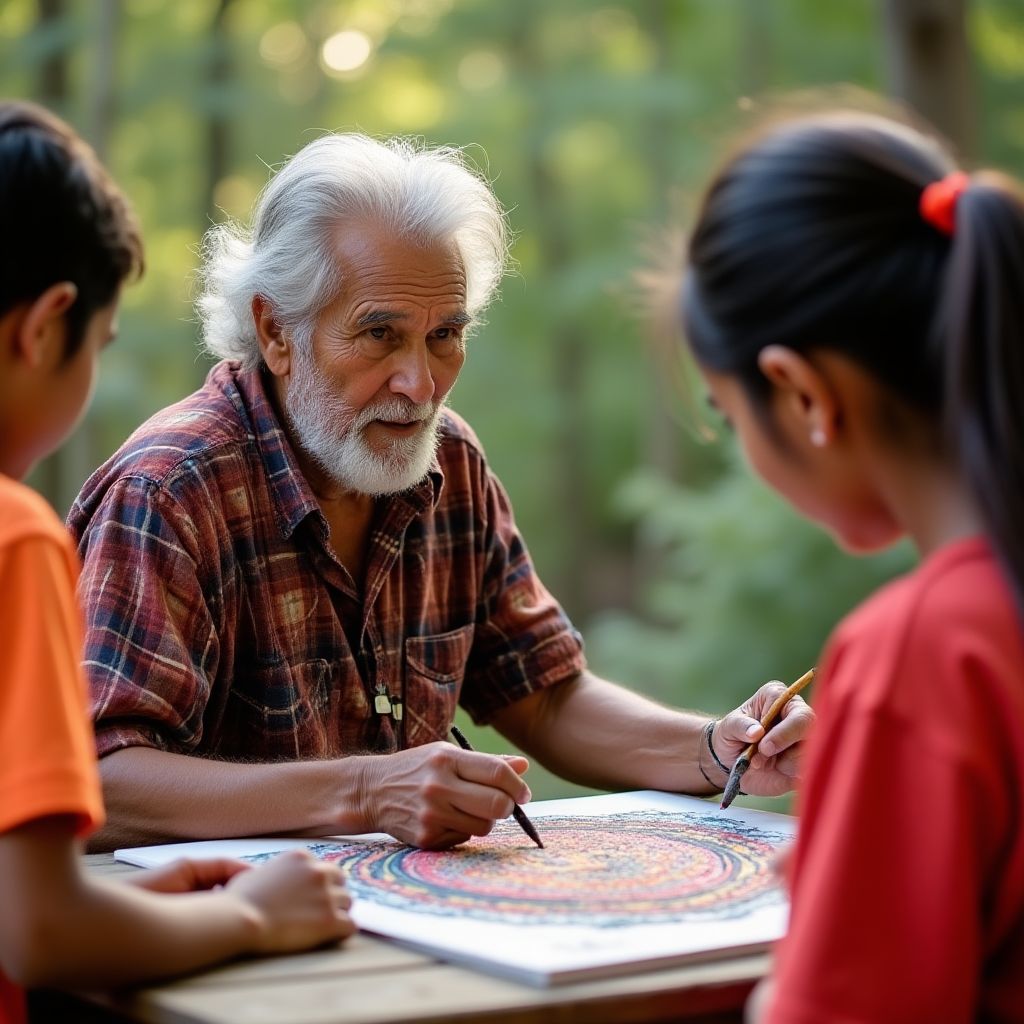
Aboriginal elder teaching young artists traditional techniques

Passing Down Knowledge

The preservation of Aboriginal artistic traditions relies heavily on the transfer of knowledge from elders to younger generations. Throughout Australia, cultural knowledge centers and community art programs facilitate this crucial exchange. Young Aboriginal artists learn not just techniques, but the stories, cultural protocols, and spiritual significance behind the art forms. These initiatives ensure that the world's oldest continuous artistic tradition remains vibrant and relevant.

Documentation Projects

Contemporary preservation efforts include digital documentation of rock art sites, recording of oral histories from elder artists, and the creation of cultural databases that catalog symbols, techniques, and Dreamings. These archives serve both as cultural resources for Aboriginal communities and educational tools for broader audiences, creating a permanent record of artistic knowledge that might otherwise be vulnerable to loss.

Art Centers as Cultural Hubs

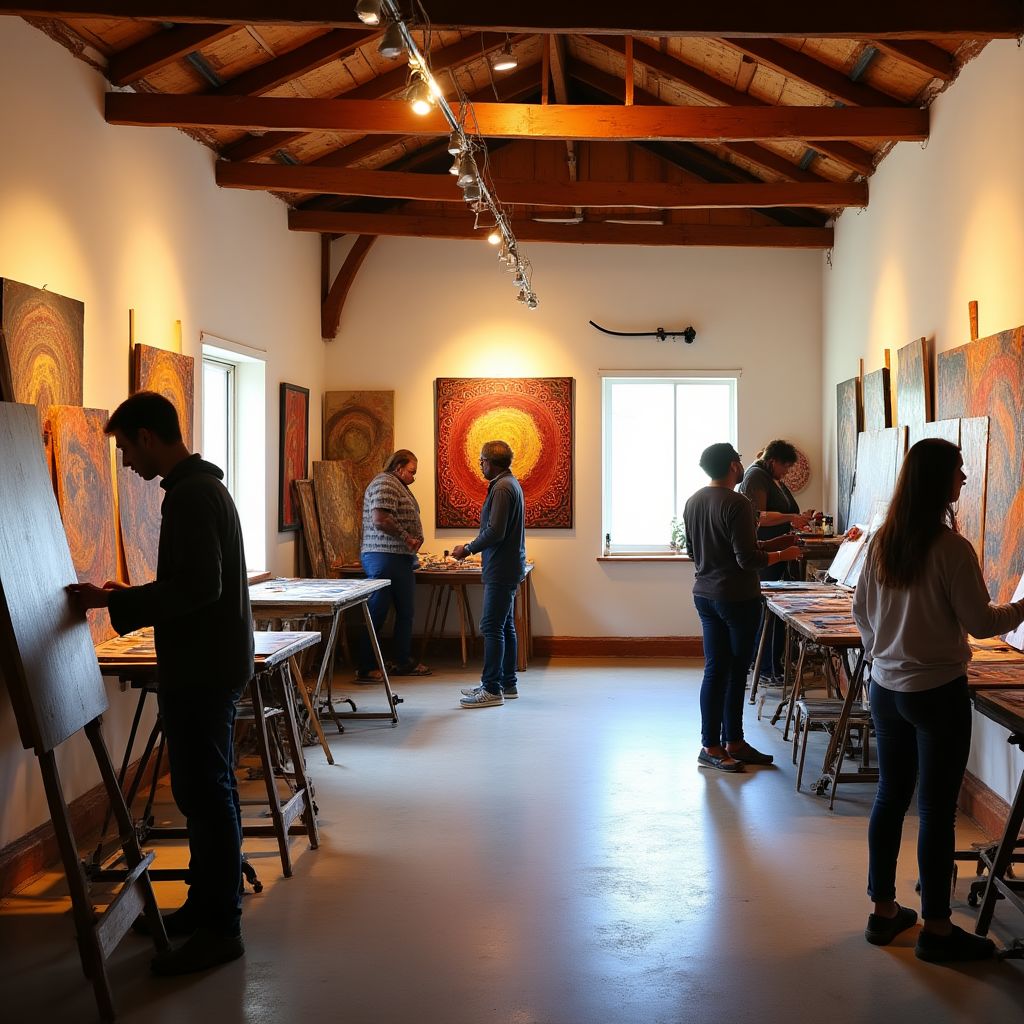
Remote Aboriginal art centers serve as vital cultural institutions that support both artistic expression and cultural continuity. These community-controlled organizations provide artists with materials, workspace, and marketing support while operating as social hubs where cultural knowledge is shared. Centers like Papunya Tula Artists, Buku-Larrnggay Mulka Centre, and Warlukurlangu Artists Aboriginal Corporation play crucial roles in sustaining artistic traditions while providing economic opportunities in remote communities.

Conservation Challenges

Ancient rock art sites face numerous preservation challenges, including weathering, vandalism, and industrial development. Conservation efforts include documentation using non-invasive digital techniques, physical protection of sites, and collaboration with traditional owners to develop culturally appropriate management plans. These initiatives balance the need to protect irreplaceable cultural heritage with maintaining Aboriginal communities' ongoing connection to these sacred sites.

Aboriginal art center with artists working collectively

Upcoming Events

Experience Aboriginal art and culture through these special events

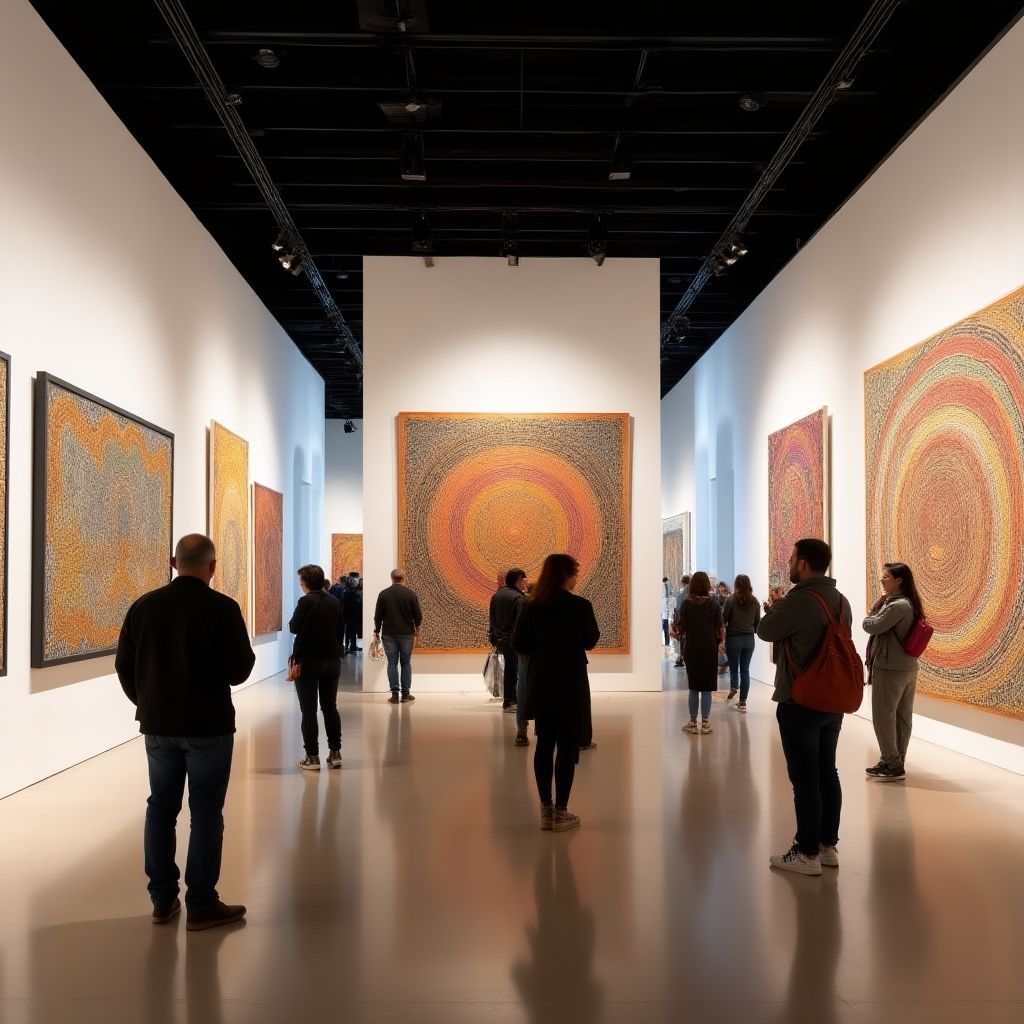
Contemporary Aboriginal art exhibition
May 15-30, 2025

Desert Stories Exhibition

A major exhibition featuring contemporary works from Central Desert artists. Experience the vibrant dot paintings that tell ancient Dreaming stories through modern artistic expressions. Guided tours available daily with special artist talks on weekends.

Location: National Gallery of Australia, Canberra

Learn More
Aboriginal art workshop for visitors
June 8-9, 2025

Traditional Painting Workshop

Learn authentic dot painting techniques from Warlpiri artist Jacob Turner in this immersive two-day workshop. Participants will create their own artwork while learning about the cultural significance of symbols and proper protocols for depicting stories.

Location: Sydney Cultural Centre

Register
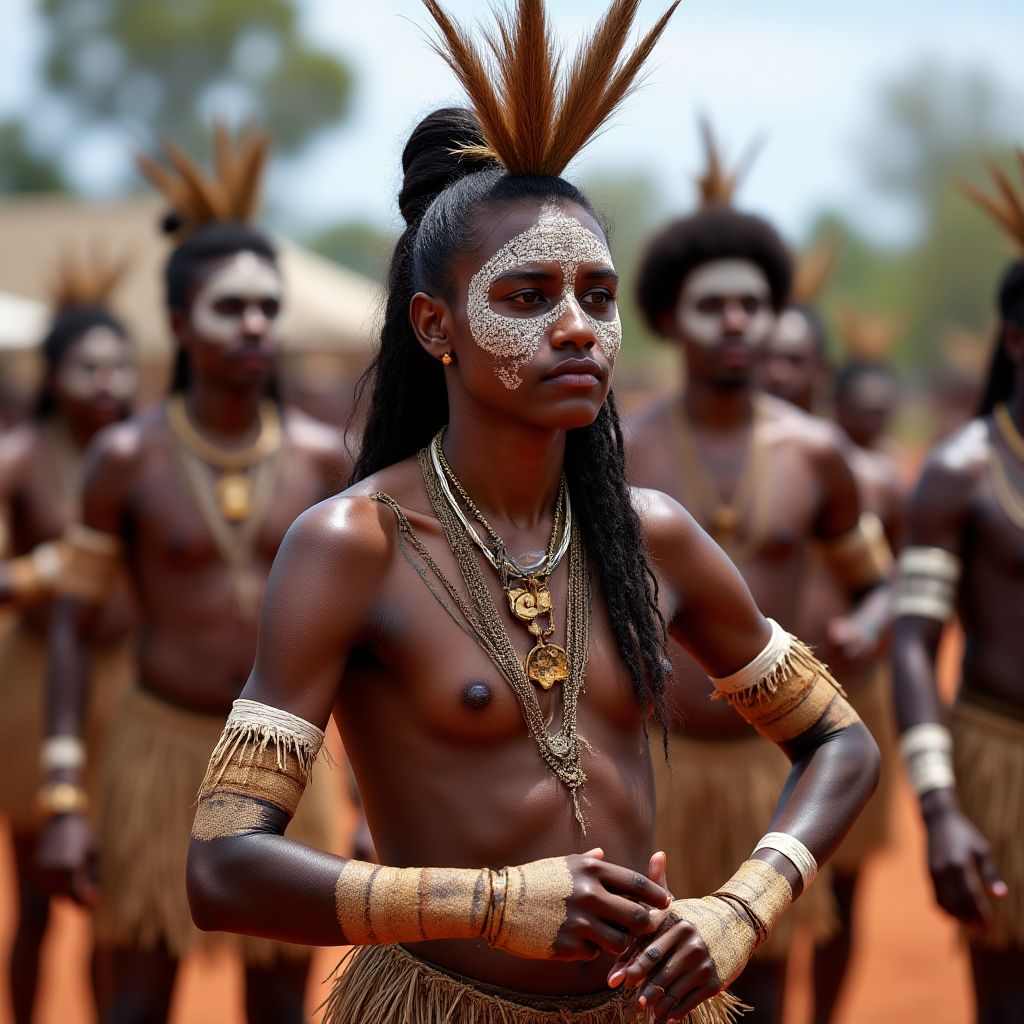
Aboriginal cultural festival with performances
August 12-15, 2025

Telstra National Aboriginal & Torres Strait Islander Art Awards

Australia's most prestigious Indigenous art award ceremony and exhibition, showcasing the finest contemporary Aboriginal art from across the country. Experience the cutting edge of Indigenous creative expression and meet the artists reshaping Australia's cultural landscape.

Location: Museum and Art Gallery of the Northern Territory, Darwin

View Program

Media Gallery

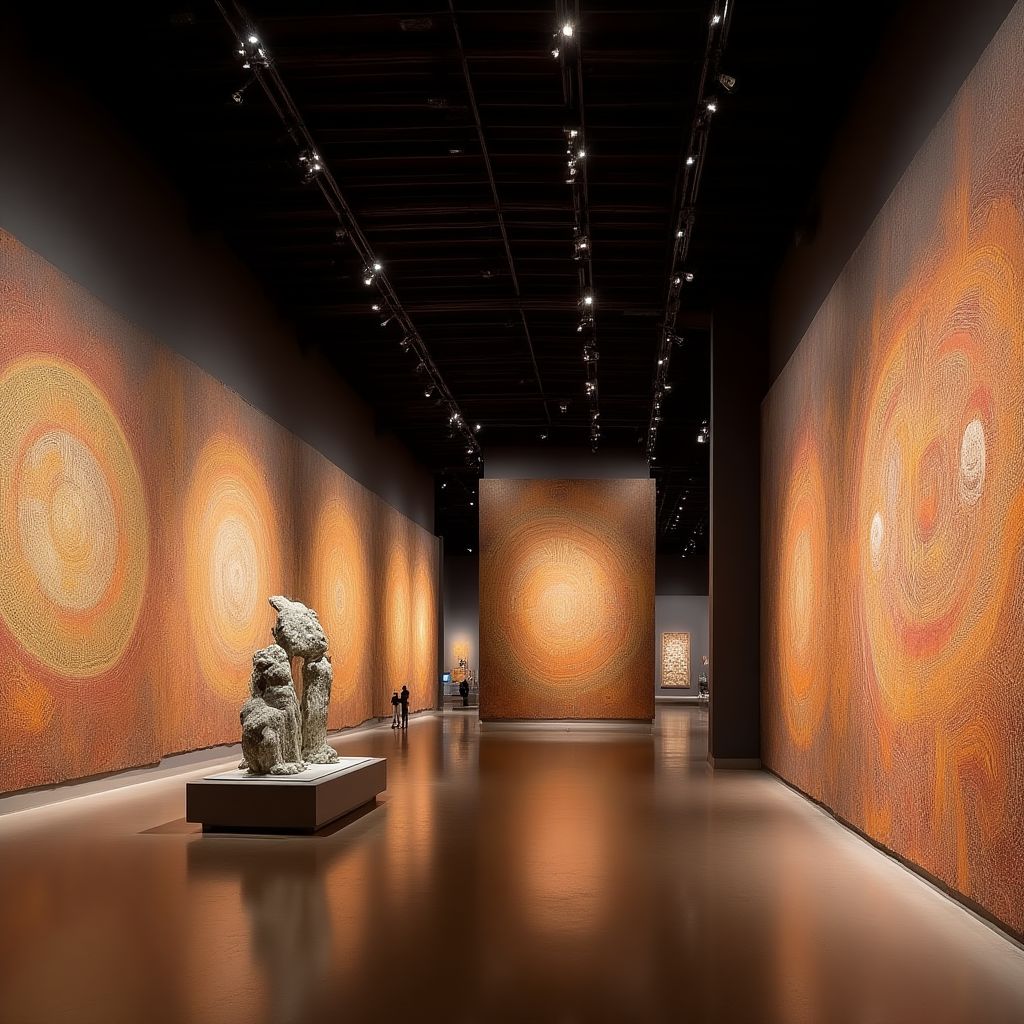
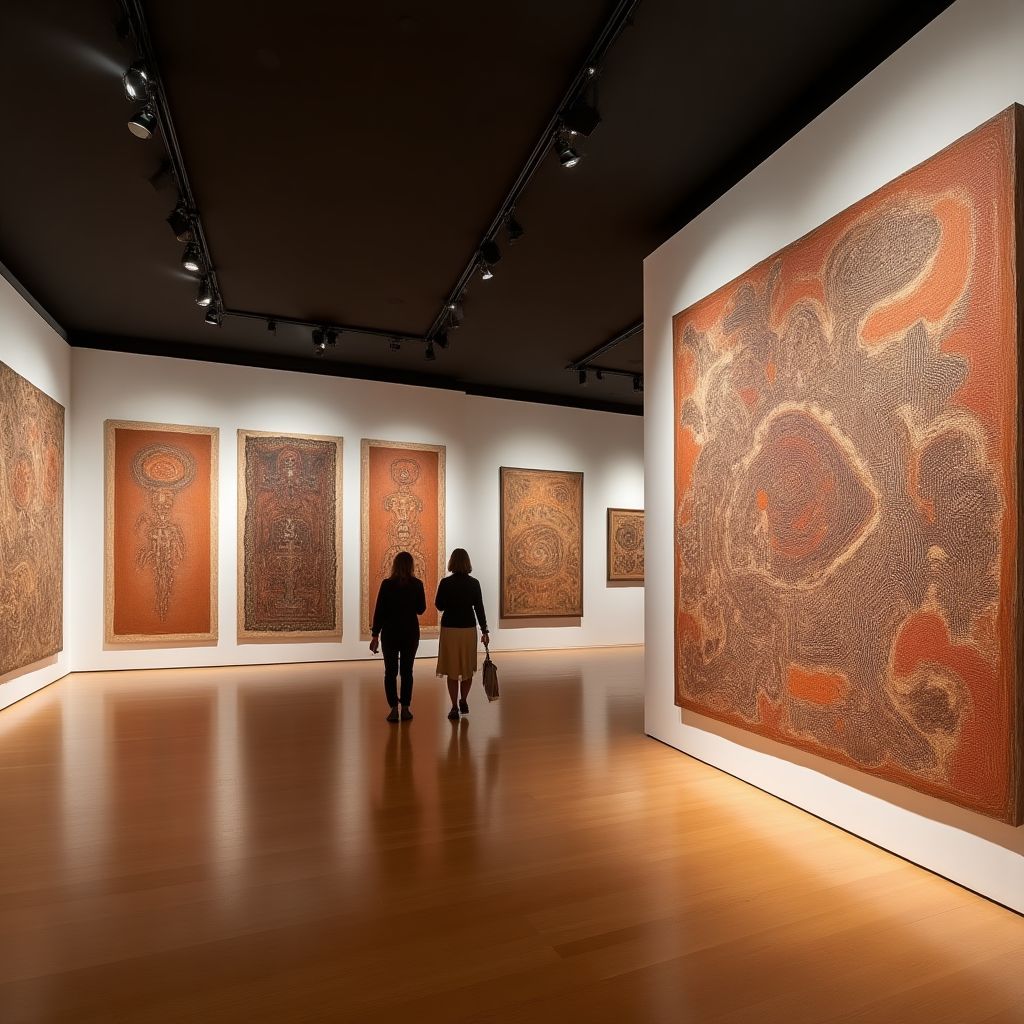
Visual exploration of Aboriginal artistic expressions

Featured Galleries & Museums

Where to experience authentic Aboriginal art collections

National Museum of Australia Aboriginal collection

National Museum of Australia

Canberra, ACT

Housing one of Australia's most comprehensive collections of Indigenous cultural artifacts and contemporary art. The First Australians gallery presents the story of Aboriginal and Torres Strait Islander peoples from time immemorial to present day.

Visit Website
Art Gallery of New South Wales Aboriginal collection

Art Gallery of New South Wales

Sydney, NSW

Features one of Australia's finest collections of Aboriginal and Torres Strait Islander art, spanning both historical and contemporary works. The Yiribana Gallery showcases the diversity and strength of Indigenous Australian art traditions.

Visit Website
Museum and Art Gallery of the Northern Territory

Museum and Art Gallery of the Northern Territory

Darwin, NT

Home to the annual Telstra National Aboriginal & Torres Strait Islander Art Awards (NATSIAA), Australia's longest-running and most prestigious Indigenous art prize. The permanent collection features exceptional works from Northern Territory communities.

Visit Website

Artist Opportunities

Supporting the next generation of Aboriginal artists

Grants & Funding

Various organizations offer financial support specifically for Aboriginal artists, including:

  • Australia Council for the Arts Indigenous Arts Grants
  • Aboriginal Benefits Foundation Project Funding
  • State and Territory Arts Department Indigenous Programs
  • Community Foundation Fellowships
  • Art Center Development Grants

Residency Programs

Artist-in-residence opportunities provide time, space, and resources for Aboriginal artists to develop their practice:

  • Tandanya National Aboriginal Cultural Institute Residencies
  • Footscray Community Arts Centre Indigenous Program
  • International Indigenous Exchange Programs
  • Regional Gallery Artist Residencies

Exhibitions & Awards

Major platforms showcasing Aboriginal artistic excellence include:

  • Telstra National Aboriginal & Torres Strait Islander Art Awards
  • Cairns Indigenous Art Fair
  • Darwin Aboriginal Art Fair
  • National Indigenous Art Triennial
  • Desart Art Centre Photography Prize

Education & Training

Pathways for developing artistic skills and cultural knowledge:

  • Bachelor of Fine Arts (Indigenous Art) at various universities
  • Certificate Programs in Aboriginal Arts and Cultural Practices
  • Community Art Center Mentorships
  • Cultural Knowledge Workshops with Senior Artists
  • Digital Skills Development Programs

Contact Us

Reach out to learn more about Aboriginal art and culture

Visit Our Centre

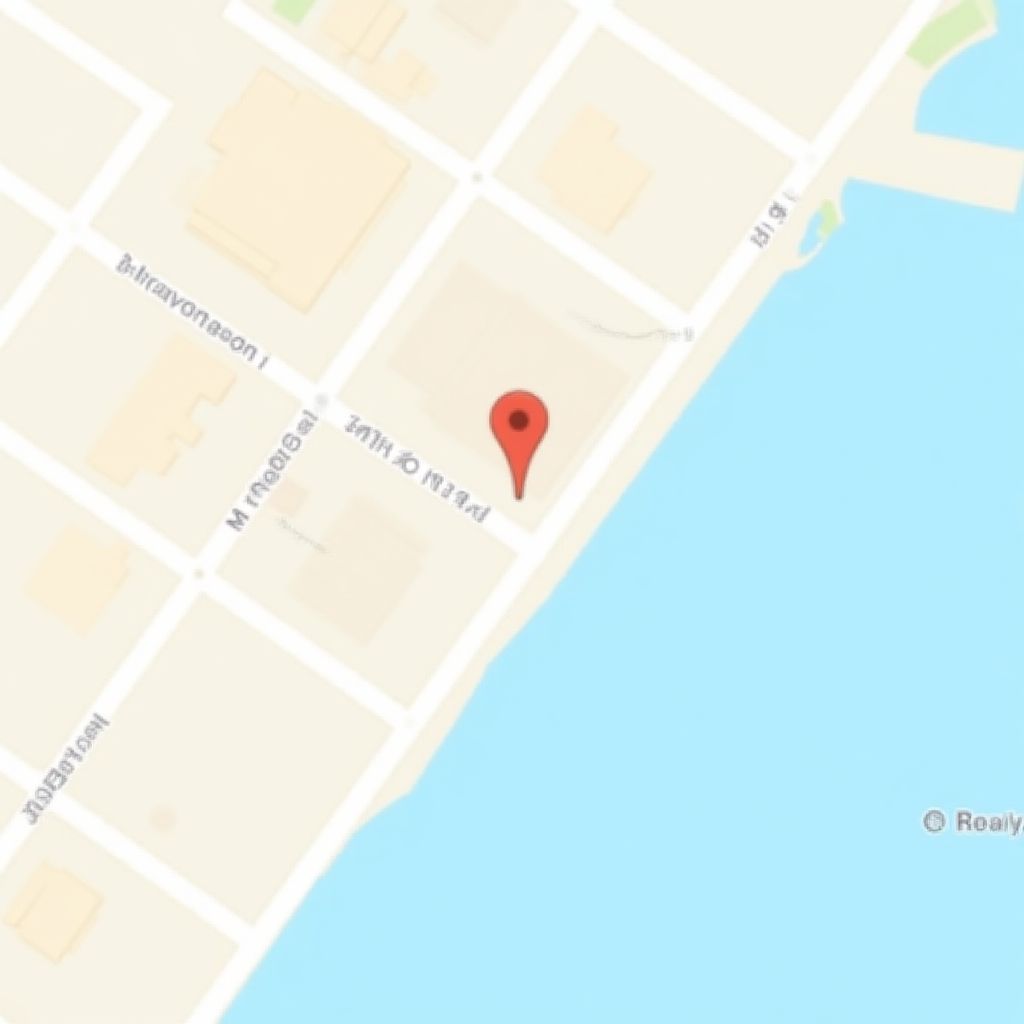
Our Aboriginal Art & Culture Centre is located in the heart of Sydney, offering exhibitions, workshops, and cultural experiences.

123 George Street, Sydney NSW 2000, Australia
+61 2 8123 4567

Opening Hours

Monday - Friday:

Saturday:

Sunday:

9:00 AM - 5:00 PM

10:00 AM - 4:00 PM

10:00 AM - 2:00 PM

Map showing location of Aboriginal Art & Culture Centre in Sydney